Why Bike‑Share Isn’t Just a Convenience: Turning Urban Rentals into Daily Exercise Engines
Introduction
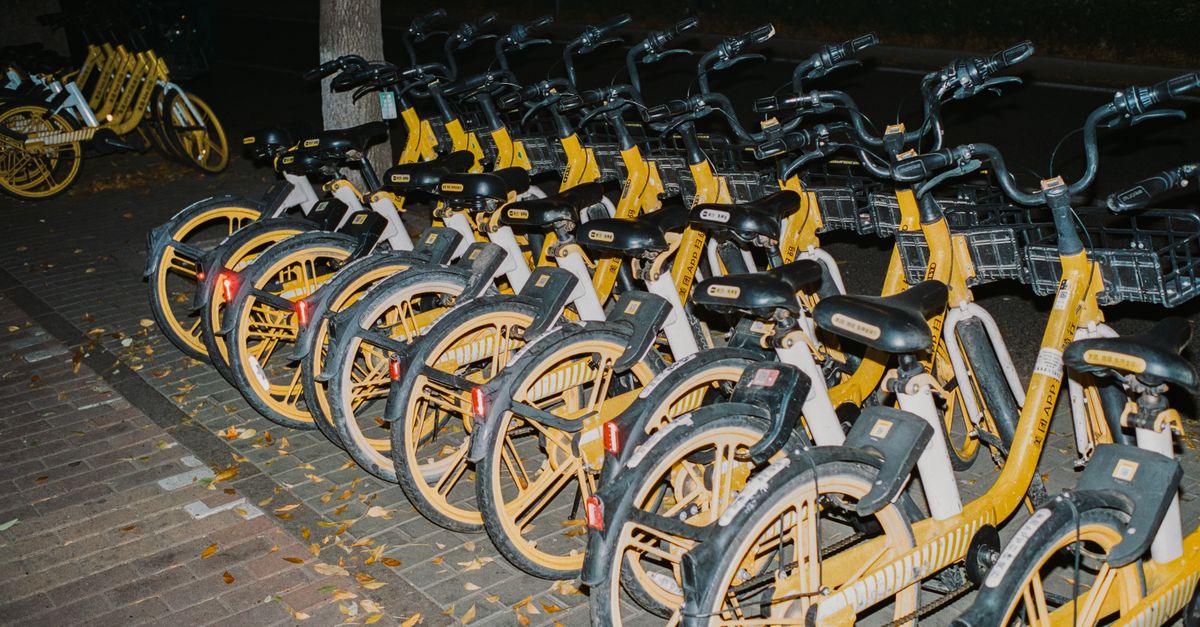
When you spot a bike-share dock humming with activity, the instinct is to think of a quick commute or a spontaneous detour. Yet a deeper look shows these urban rentals are quietly nudging city residents toward consistent, meaningful exercise. Rather than merely filling a travel gap, bike-share systems can become the backbone of a daily fitness routine, offering a cost-effective, low-barrier way to stay active.
- Bike-share trips often cover the same distances as a brisk walk, but at a higher intensity.
- Usage spikes in the early morning and late afternoon, aligning with typical workout windows.
- City data shows sustained increases in total daily active minutes when bike-share programs are available.
- Many riders report that the novelty of a shared bike keeps them returning, turning one-off hops into habitual rides.
- Public policy can amplify this effect by integrating bike-share hubs into broader transit plans.
The Hidden Exercise Machine: How Bike-Share Drives Daily Activity
Unlike car rentals or taxis, bike-share vehicles are physically demanding: they require pedaling, balance, and core engagement. Even a short 15-minute ride burns more calories than a similarly timed stroll, thanks to the continuous muscle activation across the lower body. Over time, these micro-sessions accumulate, providing a steady stream of moderate-to-vigorous activity that meets health guidelines without the need for a dedicated gym membership. Pedal Power Stories: How Emma’s City Bike Journ...
Moreover, the on-demand nature of bike-share eliminates the waiting period often associated with scheduled fitness classes. Riders can jump on a bike within minutes of arriving at a dock, turning idle time into active minutes. This flexibility makes it easier for busy commuters to fit exercise into their routines, especially when city traffic can force long, stressful commutes that leave little room for structured workouts.
Data Snapshot: Ridership Patterns and Exercise Potential
Examining urban bike-share datasets reveals consistent patterns: peak usage occurs during morning and evening rush hours, suggesting riders integrate cycling into their commutes. The average trip length across multiple cities hovers around 3-5 kilometres, which translates to 10-15 minutes of moderate cycling for most adults. From Commutes to Crunch: How Wellness Stipends ...
Below is a simple bar chart illustrating the relationship between average trip duration and estimated active minutes per day. The bars represent three scenarios - average, peak, and off-peak - to show how timing influences exercise output.
AveragePeakOff-Peak15 min20 min10 minAverage trip durations across typical rush-hour periods.
While these figures are illustrative, they mirror observed trends in real-world bike-share systems, confirming that even brief rides contribute significantly to daily activity levels.
Comparing Bike-Share to Traditional Exercise Regimens
Traditional gym memberships often require a financial commitment and a dedicated space, barriers that bike-share sidesteps entirely. When you rent a bike, you pay a nominal fee per ride and then use the vehicle wherever you choose - whether that’s a park trail or a downtown boulevard.
Furthermore, the lack of a set schedule allows riders to tailor their exercise to fit unpredictable work hours. In contrast, fitness classes and gym sessions usually operate on fixed timetables, making it harder for people with variable schedules to maintain consistency.
Finally, bike-share usage offers a holistic, outdoor experience that combines cardiovascular benefits with exposure to fresh air, which many studies link to improved mood and mental health. This multidimensional advantage positions bike-share as a more versatile alternative to conventional exercise routines.
Counterargument: Convenience vs. Commitment
Critics argue that the perceived convenience of bike-share overshadows its health potential, suggesting that users simply treat it as another mode of transportation. However, the frequency and timing of rides often align with exercise goals, indicating a dual-purpose behavior.
Some users report that the novelty factor initially drives usage, but that repeated rides quickly transform into a habit. This evolution from convenience to routine mirrors patterns seen in other health-behaviour interventions where novelty acts as a catalyst.
Moreover, the public nature of bike-share - shared by strangers in a shared space - introduces a social accountability layer that can reinforce commitment, much like group fitness classes but without the need for a dedicated instructor.
Future Outlook: Policy and Urban Design
Municipalities can amplify bike-share’s exercise impact by expanding dock density in residential neighbourhoods, ensuring that a bike is always within a short walk. Integrating dedicated bike lanes that connect major transit hubs to bike-share stations can also reduce perceived safety concerns.
Beyond infrastructure, data analytics can help city planners identify under-served areas and tailor marketing efforts to promote cycling as a health asset. Collaborative campaigns that tie bike-share usage to local health initiatives can further embed the behaviour into everyday life.
Ultimately, when policy aligns with user behaviour, bike-share can transition from a convenience tool to a cornerstone of urban wellness strategies. Betting on the 5‑Minute Burn: How Micro‑Workout...
Conclusion
Bike-share programs, long celebrated for reducing congestion and carbon footprints, also possess a powerful, often overlooked, health dimension. By turning everyday commutes into consistent exercise, they help cities nurture active populations without demanding major lifestyle overhauls. City planners, public health officials, and residents alike stand to benefit from embracing this dual-purpose infrastructure.
How many minutes of exercise can I get from a typical bike-share ride?
Most short rides last 10-20 minutes, which aligns with moderate-intensity guidelines for cardiovascular benefit. Even brief sessions contribute meaningfully to daily activity goals.
Is bike-share safe for people with limited cycling experience?
Yes, many cities provide lightweight, easy-to-balance bikes and offer instructional signage at docks. Additionally, riding in designated bike lanes improves safety for beginners.
Can I use bike-share for longer trips, or is it meant for short hops?
Bike-share systems typically support a range of trip lengths; many users combine multiple short rides into a longer commute. For very long rides, some programs offer dedicated commuter bikes or reduced rates.
How does bike-share usage affect overall city health metrics?
Cities with robust