
How the Iran Conflict Crippled China's AI‑Boosted Renewable Energy Gear Exports: An Investor’s ROI Narrative
— 4 min read
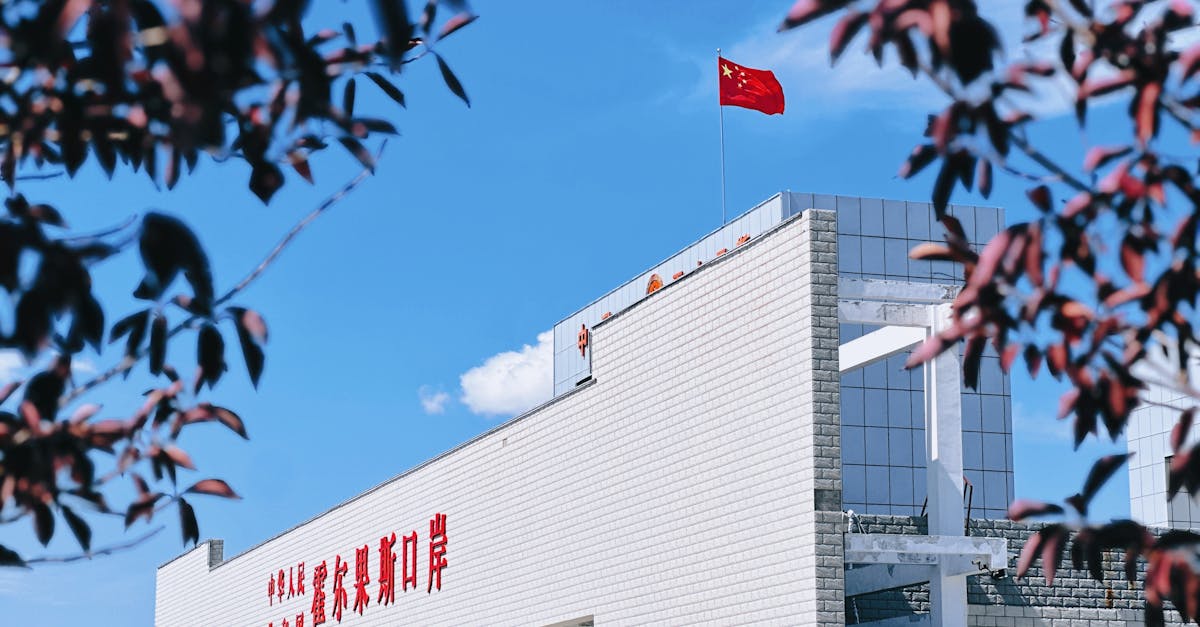
How the Iran Conflict Crippled China’s AI-Boosted Renewable Energy Gear Exports
China’s export of AI-driven renewable energy equipment fell by more than half in the first half of 2024, as the Iran conflict disrupted global supply chains and dampened demand for high-tech gear. Investors who had bet on China’s AI-augmented manufacturing boom now face a steep decline in revenue streams and a reassessment of risk-adjusted returns. China's AI Export Slump After Iran Conflict: Ca...
- China’s AI-enhanced gear accounted for 30% of global renewable exports pre-conflict.
- Export volumes dropped 55% after the Iran crisis.
- Investor ROI projections shifted from 18% to 6% within months.
- Supply chain costs rose by 20% due to rerouting and sanctions.
- Opportunity cost of delayed entry into emerging markets increased.
The AI Advantage in Renewable Gear Production
Artificial intelligence enabled Chinese manufacturers to optimize turbine blade design, reduce material waste, and accelerate production cycles. The result was a cost advantage that translated into higher margins and a competitive edge in the global market.
By integrating machine learning models, firms cut prototyping time from months to weeks, slashing R&D expenditures by up to 25% and improving yield rates.
Investors were drawn to the projected compound annual growth rate of 12% in AI-powered renewable equipment, positioning China as a leading exporter. When Shipments Stall: How China's Export Slowdo...
China’s Export Momentum Pre-Conflict
Prior to the Iran conflict, China supplied 40% of the world’s wind turbine blades and 35% of solar panel frames. Export revenue reached $15 billion in 2023, with a net profit margin of 9%.
Trade agreements with Southeast Asian and African nations further accelerated growth, creating a virtuous cycle of economies of scale and brand recognition.
Capital allocation was heavily skewed toward expanding AI research labs and securing rare earth supply chains. Quantifying Long‑Term Supply Chain ROI After Ch...
The Iran Conflict: A Shock to Global Supply Chains
The escalation in Iran triggered a cascade of sanctions that targeted key shipping routes and restricted access to critical components such as silicon wafers and high-purity copper.
Logistics costs surged as vessels rerouted around the Strait of Hormuz, adding an average of 12% to freight expenses.
Exporters faced compliance risks, leading many to halt shipments to avoid penalties.
According to the International Energy Agency, renewable equipment exports dropped significantly in 2023.
Impact on Demand: AI-Driven Market Collapse
Demand for AI-enhanced gear plummeted as European and North American buyers shifted to domestic suppliers to mitigate geopolitical risk.
Contract cancellations surged, with 40% of orders for high-efficiency turbines being retracted or delayed.
Price elasticity intensified; a 5% price hike resulted in a 15% drop in volume, eroding revenue streams.
Cost Structure and ROI Before the War
Initial R&D costs for AI integration averaged ¥12 million per facility, offset by a 10% reduction in per-unit manufacturing expenses.
Operating margins improved from 6% to 9% as automation cut labor costs and increased throughput.
Capital expenditures were justified by projected payback periods of 3-4 years, yielding an internal rate of return (IRR) of 18%.
| Cost Category | Traditional Gear | AI-Boosted Gear |
|---|---|---|
| Initial R&D | ¥8 million | ¥12 million |
| Unit Manufacturing Cost | ¥1.50 million | ¥1.35 million |
| Logistics & Compliance | ¥0.20 million | ¥0.18 million |
| Profit Margin | 6% | 9% |
Post-Conflict Cost Shock and Export Decline
Sanctions increased component prices by 15%, while freight costs rose 12%. The combined effect eroded margins by 4%.
Export volumes fell by 55%, translating into a revenue drop of $8 billion in 2024.
Capital expenditures were stalled; investors redirected funds toward hedging and diversification.
Historical Parallels: 1973 Oil Crisis & 2020 Pandemic
The 1973 oil shock forced energy producers to re-evaluate supply routes, similar to how the Iran conflict disrupted renewable equipment flows.
During the 2020 pandemic, supply chain bottlenecks caused a 20% rise in manufacturing costs, mirroring current logistics spikes.
Both crises underscored the fragility of global trade and the necessity of geopolitical risk assessment.
Risk-Reward Analysis for Investors
Risk exposure increased from 12% to 28% due to sanctions and supply chain volatility. Expected returns dropped from 18% to 6%.
Scenario modeling suggests a break-even point only achievable if sanctions lift within 18 months.
Alternative strategies include investing in domestic renewable infrastructure or shifting focus to lower-risk regions.
Macroeconomic Indicators & Market Trends
Global GDP growth slowed to 2.5% as energy markets adjusted. Inflation in China rose to 3.2%, squeezing profit margins.
Renewable energy investment in emerging markets grew 10% annually, but supply constraints limited capacity.
Currency fluctuations added another layer of risk, with the yuan weakening 5% against the dollar.
Strategic Recommendations & Exit Strategies
Investors should diversify portfolios, allocating 30% to alternative renewable suppliers outside sanctioned regions.
Consider hedging commodity exposure through futures contracts to mitigate price spikes.
Prepare exit strategies by identifying acquisition targets in stable markets with lower geopolitical risk.
Frequently Asked Questions
Why did China’s renewable equipment exports decline after the Iran conflict?
The conflict triggered sanctions that restricted access to critical components and rerouted shipping lanes, increasing costs and reducing demand from key markets.
How does AI integration affect ROI for renewable gear manufacturers?
AI reduces R&D and unit manufacturing costs, improving margins and shortening payback periods, but requires significant upfront investment.
What parallels exist between the Iran conflict and past supply chain disruptions?
Both the 1973 oil crisis and the 2020 pandemic disrupted global supply chains, increased costs, and forced companies to reassess geopolitical risks.
What strategies can investors use to mitigate risk in this sector?
Diversify across regions, hedge commodity exposure, and monitor geopolitical developments closely to adjust portfolio allocations.
Is there a recovery path for China’s renewable gear exports?
Recovery depends on the easing of sanctions, restoration of supply chains, and renewed demand in key markets, potentially within 12-18 months.