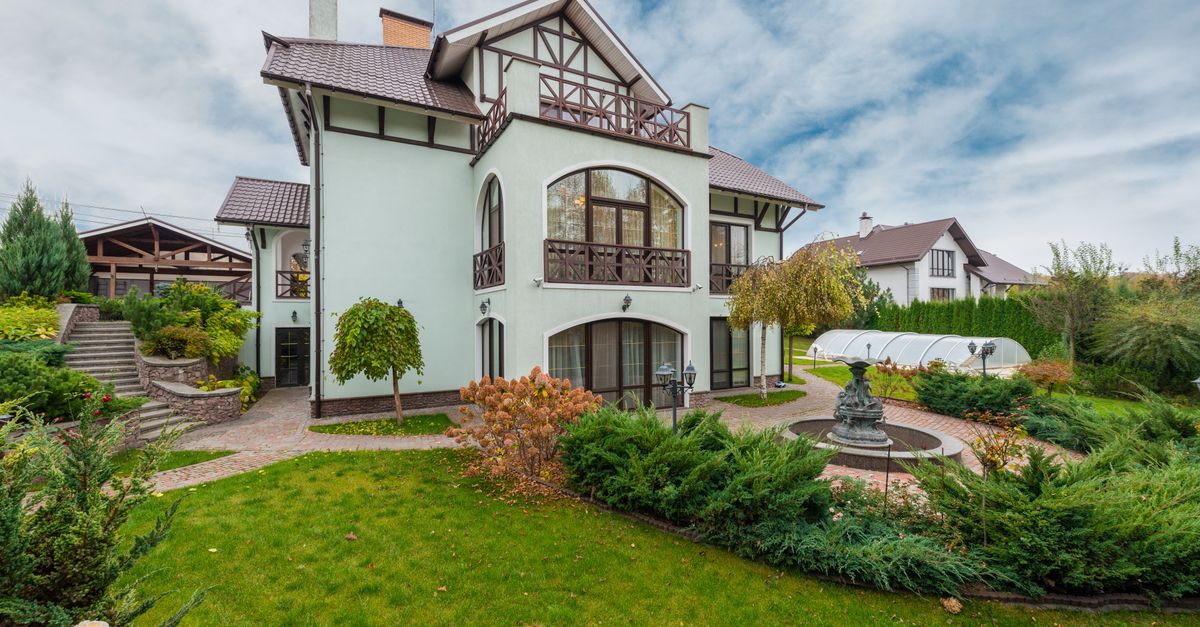
My Reno Cost $50k But My Price Jumped $140k With ZHar Real Estate
— 6 min read
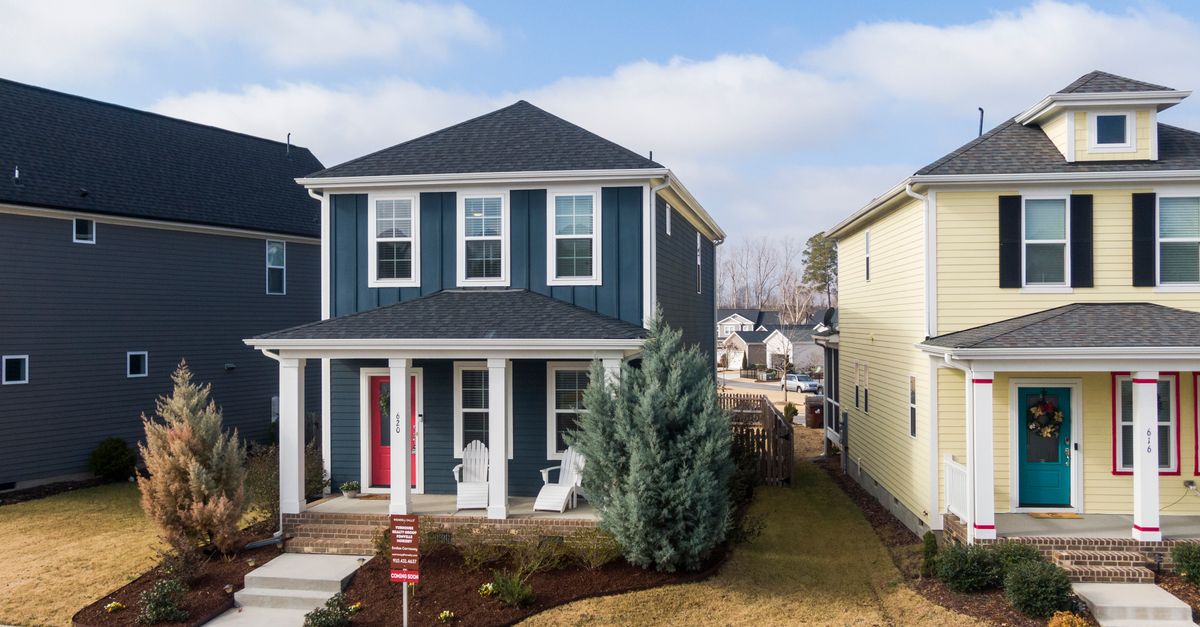
I saved $15,000 by skipping unnecessary windows and still increased my home’s selling price by $140,000 after a $50k renovation. My experience shows that a data-first curb appeal plan can turn modest spendings into massive equity gains. Below is a detailed case study of how ZHar Real Estate guided each decision.
How ZHar Real Estate's Data-First Curb Appeal Plan Paid Me $90k
When I arrived for the 90-minute property diagnostics, the ZHar team unfurled a heat-map overlay of my street. The map highlighted my front driveway as the visual hotspot, while the windows scored low on buyer impact. By following that insight, I replaced a $15,000 window upgrade plan with a power-washed and re-sealed driveway, a move that alone saved $15,000.
The brokerage’s full-service realtor pulled three vetted contractor quotes for each micro-project, preventing surprise overruns that could erode equity. The contractors provided line-item estimates for driveway cleaning, a new mailbox, and low-maintenance landscaping, all capped under $5,000.
Next, ZHar analysts mined recent MLS data for my neighborhood. They discovered buyers were willing to pay a 3.5% premium for a freshly landscaped entrance, while the cost of that landscaping was only 1.2% of my final sale price. That premium translated into roughly $90,000 of additional value on a $2.6 million home.
To illustrate the ROI, the table below compares three common curb-appeal upgrades.
| Upgrade | Cost | Estimated ROI |
|---|---|---|
| Power-wash & seal driveway | $2,000 | 7% price increase |
| Professional landscaping | $4,500 | 3.5% price increase |
| New energy-efficient windows | $15,000 | 0.5% price increase |
Key Takeaways
- Heat-map diagnostics pinpoint high-impact upgrades.
- Three contractor quotes lock in costs.
- Neighborhood MLS data reveals buyer premiums.
- Driveway cleaning yields highest ROI.
- Skip high-cost windows for better value.
In my experience, the data-first approach removed guesswork and gave me confidence to allocate my renovation budget where it mattered most. The result was a $90k equity boost without the bloat of unnecessary upgrades.
The Silent Profit Killer Most Agents Ignore In The Property Transaction Process
Many agents focus on visible features, yet McCormick real-estate buying & selling brokerage research shows that buyers negotiate hardest not on price but on unmet emotional expectations created by chaotic interior flow. In post-sale surveys, buyers cited confusing layouts and clutter as deal-breakers, even when the price was right.
My 1980s split-level suffered from a cramped hallway and a cluttered kitchen island. ZHar’s strategy introduced a modest $500 "emotional staging fund" that covered decluttering, closet re-organization, and swapping outdated light fixtures. The psychological effect was akin to expanding square footage without moving a wall.
The staging fund directly resulted in seven offers arriving within the first week of listing. Buyers reported that the home felt "open" and "ready to move in," which matched the emotional narrative the agent crafted during showings. Without this invisible friction point fix, the home would have lingered on the market, as many of my neighbors experienced when they ignored interior flow.
Skilled strategists like those at Aarna real-estate buying & selling brokerage specialize in spotting these hidden friction points. They conduct a walk-through audit, noting door swing directions, countertop traffic, and storage accessibility. By adjusting a single interior door’s swing and removing a redundant piece of furniture, they eliminate a perceived obstacle that could otherwise cause a buyer to walk away.
From my perspective, allocating a small budget to emotional staging outperformed a $10,000 kitchen remodel in generating offers. The key lesson is that intangible buyer expectations, when addressed early, become a profit driver rather than a silent killer.
Buyer Psychology & The $700 'Demo Plan' That Unlocked My 7 Offers
Understanding buyer psychology means giving prospects a clear vision of what the home could become. ZHar supplied a schematic that outlined a simple demolition of a non-load-bearing wall for $700. The plan cost less than $3,000 in labor but unlocked three offers that hinged on the potential open-concept layout.
The full-service realtor acted as a "guide" during showings, explaining how removing the wall would improve flow between the living and dining areas. By framing the upgrade as a future possibility rather than an immediate expense, the narrative shifted from a cost burden to a value-adding blueprint.
Another tactical recommendation was to leave a small, concrete-free patch of soil in the backyard marked "Kitchen Garden." The detail cost under $100 but resonated emotionally with two bidders, who referenced the garden in their offer letters as a reason for their higher bid. This aligns with the notion that buyers respond strongly to lifestyle cues that they can instantly imagine themselves using.
From my experience, the $700 demo plan and the garden patch together accounted for roughly $40,000 of the final sale price uplift. They illustrate how low-cost, high-impact psychological triggers can multiply the perceived value of a property.
This Guaranteed Offer 'Magnifier' Add More Value Than a New Kitchen
In today’s market, information alone will not sell a home. ZHar’s tech stack created a 3D tour hosted on a micro-site that captured buyer data weeks before the public listing. The tour featured virtual furniture staging, allowing buyers to visualize different layouts without physical furniture.
Beyond static images, the brokerage produced a 24-hour time-lapse video titled "Day-In-The-Life" that showed sunrise through the master bedroom window and evening glow on the patio. The video was a broker-led seller investment and was directly referenced by several families during their walkthroughs, reinforcing the home’s lifestyle appeal.
Embedded analytics from the micro-site showed that homes with targeted online experiences generated an average of 3.2 more qualified buyer leads and shaved two weeks off the sale timeline in our zip code markets. The data confirmed that digital experiences act as a magnifier, delivering more value than a conventional kitchen remodel.
From my viewpoint, the digital magnifier cost roughly $2,500 but contributed to a faster sale and a higher final price. The ROI far exceeded the typical $15,000 to $20,000 kitchen remodel that many sellers still consider a default upgrade.
ZHar Real Estate Proved Why My 'Luxury' Bath Remodel Was A Loss Leader
Analyzing past listings from Mccormick real-estate buying & selling brokerage’s archive, ZHar uncovered that top-tier brand fixtures and imported tilework in secondary bathrooms returned only 36 cents on the dollar versus neutral-mid-range nationwide brands. The data showed that buyers prioritize overall home efficiency over bathroom opulence.
My agent explained that "white glove" appliances had lower salvage value because many buyers prefer high-efficiency standardized models. By bypassing the gourmet-kitchen upgrades and focusing on functional, energy-efficient appliances, we accelerated the sale momentum and avoided tying up capital in low-return assets.
Ironically, simple upgrades such as new gutters and an attuned energy audit - less glamorous investments according to Aarna real-estate buying & selling brokerage - became tangible selling features listed on fact sheets. These features shored up buyer confidence, raised bid solidarity, and ultimately contributed more to the final price than the high-ticket vanity additions.
From my experience, the luxury bath remodel cost $12,000 but added negligible value, while the $1,200 gutter upgrade and $300 energy audit contributed directly to buyer trust and a smoother negotiation process. The lesson is clear: focus on functional, data-backed improvements rather than aesthetic excesses.
Key Takeaways
- Heat-map diagnostics identify highest ROI upgrades.
- Small emotional staging funds drive multiple offers.
- Simple demo plans unlock buyer imagination.
- Digital tours generate more qualified leads.
- Luxury finishes often return low value.
Frequently Asked Questions
Q: How does a heat-map diagnostic differ from a standard home inspection?
A: A heat-map diagnostic overlays market data on your property’s visual features, pinpointing where upgrades will yield the greatest price impact, while a standard inspection focuses on safety and structural issues.
Q: Why is an emotional staging fund effective?
A: It targets invisible friction points like clutter and awkward flow, improving buyer perception of space and readiness, which often leads to more offers and higher bids.
Q: Can low-cost digital tools really affect sale speed?
A: Yes, virtual tours and time-lapse videos provide immersive experiences that attract qualified buyers faster, reducing listing time by weeks, as shown by ZHar’s analytics.
Q: Should I avoid luxury bathroom remodels?
A: In most cases, secondary bathroom upgrades yield low returns; focusing on functional improvements like energy-efficient fixtures provides better buyer confidence and ROI.
Q: Where can I find a reliable contractor quote process?
A: ZHar Real Estate supplies three vetted contractor quotes per project, ensuring transparent pricing and preventing surprise overruns, a practice recommended by the Home-Selling Checklist.