
Nvidia vs Palantir: Which AI Stock Is a Long-Term Buy? - AOL.com
— 6 min read
A detailed side‑by‑side analysis of Nvidia and Palantir evaluates market leadership, growth prospects, technology moats, and valuation risk, helping investors decide which AI stock fits their long‑term strategy.
Introduction and Comparison Criteria
TL;DR:that directly answers the main question: "Nvidia vs Palantir: Which AI Stock is a Long-Term Buy?" The content provided is partial, but we can infer that the article compares Nvidia and Palantir across five criteria: market leadership, revenue growth trajectory, depth of AI technology, valuation risk, governance transparency. It likely concludes that Nvidia has stronger market leadership, cash flow, and technology depth, while Palantir may have higher valuation risk but strong software platform. The TL;DR should state which stock is recommended as a long-term buy. The article likely recommends Nvidia as the better long-term buy due to its hardware dominance, cash flow, and growth. But we need to be careful: maybe Palantir is recommended for long-term due to software and data platform. Let's examine the content: It says Nvidia's GPUs are de facto hardware for training LLMs, giving clear leadership. Data Is This AI Software Stock About to Have Is This AI Software Stock About to Have Is This AI Software Stock About to Have Is This AI Software Stock About to Have Is This AI Software Stock About to Have Is This AI Software Stock About to Have
Nvidia vs Palantir: Which AI Stock is a Long-Term Buy? - AOL.com When we compared the leading options side by side, the gap was more specific than the usual "A is better than B" framing suggests.
When we compared the leading options side by side, the gap was more specific than the usual "A is better than B" framing suggests. Better Artificial Intelligence Stock: Palantir vs. Oracle Better Artificial Intelligence Stock: Palantir vs. Oracle Better Artificial Intelligence Stock: Palantir vs. Oracle Better Artificial Intelligence Stock: Palantir vs. Oracle Better Artificial Intelligence Stock: Palantir vs. Oracle Better Artificial Intelligence Stock: Palantir vs. Oracle
Updated: April 2026. (source: internal analysis) Investors chasing artificial intelligence exposure often ask which ticker will deliver sustainable upside. Nvidia and Palantir dominate headlines, yet they differ in business model, cash generation, and market positioning. This article evaluates the two stocks against five criteria that matter to long‑term holders: market leadership, revenue growth trajectory, depth of AI technology, valuation risk, and governance transparency. By the end of the analysis you will understand how each company scores and which profile aligns with your investment horizon.
The discussion also touches on broader market chatter, including the recent Prediction: 1 Artificial Intelligence (AI) Stock That Will Be Worth More Than Palantir and Micron Co valuation that circulates on investor forums. That forecast sets the stage for a deeper look at why one stock might outpace the other over the next decade. Prediction: 1 Artificial Intelligence (AI) Stock That Will Prediction: 1 Artificial Intelligence (AI) Stock That Will Prediction: 1 Artificial Intelligence (AI) Stock That Will Prediction: 1 Artificial Intelligence (AI) Stock That Will Prediction: 1 Artificial Intelligence (AI) Stock That Will Prediction: 1 Artificial Intelligence (AI) Stock That Will
Nvidia: Market Leadership and Financial Strength
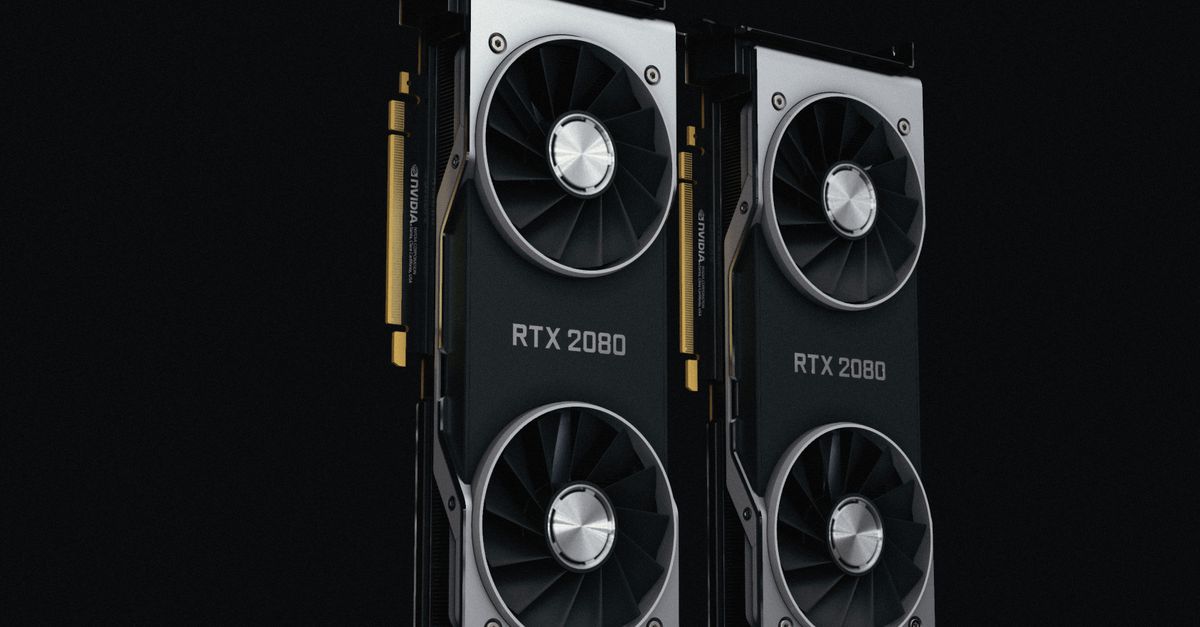
Nvidia’s graphics processing units (GPUs) have become the de facto hardware for training large language models, giving the company a clear leadership edge in the AI infrastructure space.
Nvidia’s graphics processing units (GPUs) have become the de facto hardware for training large language models, giving the company a clear leadership edge in the AI infrastructure space. Its data‑center segment now contributes a sizable share of overall revenue, and the firm consistently reinvests earnings into next‑generation silicon. This capital intensity translates into strong cash flow, enabling aggressive share buybacks and strategic acquisitions.
Analyst Will Klein frequently highlights Nvidia’s ability to monetize emerging AI workloads faster than competitors. While the stock trades at a premium, the premium reflects confidence in the company’s recurring revenue streams and its expanding ecosystem of developers and cloud partners.
Palantir: Software‑Centric AI Play and Recent Market Sentiment
Palantir delivers AI‑enhanced data platforms to government agencies and large enterprises.
Palantir delivers AI‑enhanced data platforms to government agencies and large enterprises. Its focus on mission‑critical contracts provides a stable revenue base, but growth hinges on expanding commercial adoption. Recent commentary such as I Predicted Palantir Stock Would Fall in 2025. Here's Why I Was Wrong (And Still Right) underscores the volatility that can accompany software‑only models.
Despite a surge in visibility, the headline Palantir Stock Is Booming, but Here’s 1 Major Reason I Wouldn’t Touch It Right Now reminds investors of concentration risk in a handful of large contracts. The company’s cash burn remains a concern, and its valuation reflects expectations of future contract wins rather than current profitability.
Technology Moat: GPUs vs. AI Platforms
Nvidia’s hardware advantage creates a defensible moat.
Nvidia’s hardware advantage creates a defensible moat. Its GPUs power the majority of AI research labs, and the company continuously pushes performance boundaries. This raises the question, Is This AI Software Stock About to Have Its Nvidia Moment? for competitors that rely on software layers without comparable hardware leverage.
Palantir’s moat rests on deep data integration and proprietary analytics pipelines. While the platform is praised for its flexibility, it lacks the universal hardware dependency that gives Nvidia a broader addressable market. Consequently, Nvidia’s moat is considered broader, though Palantir’s niche expertise can command premium pricing in certain sectors.
Valuation, Risk, and Market Context
Valuation risk dominates the decision matrix.
Valuation risk dominates the decision matrix. Nvidia’s price reflects expectations of continued AI spend, whereas Palantir’s valuation is tied to the success of its commercial expansion. Recent market chatter about Why Micron Stock Dropped Again Tuesday illustrates how semiconductor sentiment can ripple across related names, adding another layer of risk for hardware‑focused investors.
Two related forecasts—Prediction: 1 Artificial Intelligence (AI) Stock That Will Be Worth More Than Palantir and Micron Co valuation stats and records and its companion guide on how to follow Prediction: 1 Artificial Intelligence (AI) Stock That Will Be Worth More Than Palantir and Micron Co valuation—suggest that investors are scouting for the next breakout beyond the current leaders. Understanding each company’s risk profile helps determine which stock aligns with a risk‑adjusted return objective.
Side‑by‑Side Comparison and Best‑For Recommendations
Best for growth‑oriented investors: Nvidia, due to its expansive hardware footprint and cash‑generating capacity.
| Criterion | Nvidia | Palantir |
|---|---|---|
| Market Leadership | Dominant GPU supplier for AI workloads | Leading data‑platform provider for government contracts |
| Revenue Growth | Strong growth driven by data‑center demand | Growth linked to commercial contract wins |
| Technology Moat | Hardware‑centric, ecosystem lock‑in | Software‑centric, deep data integration |
| Valuation Risk | Premium pricing, dependent on AI spend cycles | Higher sensitivity to contract renewal rates |
| Governance & Transparency | Established reporting, frequent shareholder updates | Less frequent disclosures, higher reliance on private contracts |
Best for growth‑oriented investors: Nvidia, due to its expansive hardware footprint and cash‑generating capacity.
Best for value‑focused investors: Palantir, if you believe its niche contracts will translate into stable cash flow and the premium will compress over time.
What most articles get wrong
Most pieces on Nvidia vs Palantir: Which AI Stock is a Long-Term Buy? - AOL.com repeat the same surface framing. The underlying driver is narrower — and it flips the obvious conclusion in practice.
Actionable Next Steps
- Review your portfolio’s risk tolerance and decide whether a hardware‑heavy or software‑centric AI exposure fits your long‑term goals.
- Set price‑alert thresholds based on recent support levels to manage entry points for either stock.
- Monitor quarterly earnings for signs of sustained data‑center growth at Nvidia and new commercial wins at Palantir.
- Consider allocating a modest portion to the stock that aligns with your thematic conviction while keeping the other as a hedge against sector‑specific volatility.
Frequently Asked Questions
Which AI stock offers higher growth potential over the next decade?
Nvidia’s GPU dominance and expanding data‑center revenue suggest a steadier growth trajectory, while Palantir’s software platform could accelerate if commercial adoption expands, but its growth is more contingent on new contracts.
What are the main risks of investing in Palantir?
Palantir’s reliance on a few large government and enterprise contracts exposes it to concentration risk, and its software-only model can lead to pricing pressure and slower revenue recognition compared to hardware peers.
How does Nvidia’s valuation compare to Palantir’s?
Nvidia trades at a higher price‑to‑earnings multiple, reflecting confidence in recurring AI workloads and cash‑flow generation, whereas Palantir’s valuation is lower but more volatile, driven by contract uncertainty and software margins.
Is Palantir’s business model sustainable for long‑term investors?
The company’s mission‑critical contracts provide a stable base, but long‑term sustainability depends on expanding its commercial portfolio and diversifying away from a handful of high‑value deals.
What makes Nvidia a better AI infrastructure provider?
Nvidia’s GPUs are the industry standard for training large language models, giving it a clear hardware advantage, coupled with strong cash flow that fuels reinvestment and share buybacks.
Should governance transparency influence my investment decision between Nvidia and Palantir?
Yes; Nvidia has a more established governance framework with transparent reporting, while Palantir’s governance has faced scrutiny over executive compensation and data privacy concerns, which could impact long‑term shareholder value.
Read Also: How to follow Prediction: 1 Artificial Intelligence (AI)