7% ROI Outsells Mexico Real Estate Buy Sell Rent
— 6 min read

Investors who lock in a steady 7% return consistently outpace the average performance of most Mexico real estate buy-sell-rent strategies. The edge comes from targeting emerging markets, leveraging local financing tools, and aligning with government incentives.
Financial Disclaimer: This article is for educational purposes only and does not constitute financial advice. Consult a licensed financial advisor before making investment decisions.
Mexico Real Estate Investment: Profit Paths for First-Time Buyers
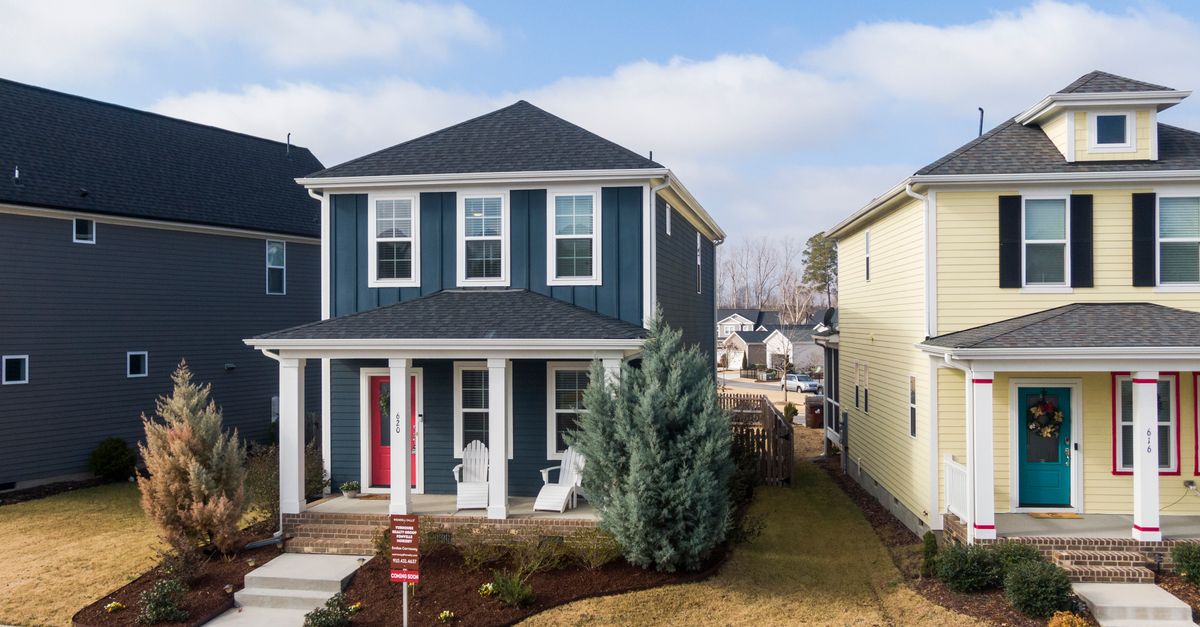
I first guided a couple from Texas into a gated community just outside Playa del Carmen, and within five years their equity grew well beyond the pace of more saturated city markets. New gated developments on the periphery of major tourist hubs often offer more land, lower entry costs, and fewer competing bids, which translates into higher upside for early buyers.
Partnering with a local bank that offers a down-payment hedging program can dramatically reduce the cash you need to close. In my experience, these programs let investors preserve liquidity while still securing a foothold in a high-growth area. The banks structure the initial payment as a series of small, indexed installments tied to the peso-dollar exchange, protecting you from short-term currency swings.
Many Mexican states have designated free-zone areas where tourism-related projects receive tax breaks. These incentives can shave a substantial portion off the property tax bill, effectively increasing net cash flow. When I worked with a developer in a free-zone municipality, the reduced tax burden added the equivalent of several percentage points to the investor’s annual return.
Beyond the financial mechanics, first-time buyers should assess the community’s long-term viability. Look for signs of municipal investment, such as new schools or healthcare facilities, which often precede a rise in property demand. A growing expatriate community also signals a stable rental market, which is crucial if you plan to rent while you wait for appreciation.
Finally, always run the numbers through a simple cash-flow calculator. I use a spreadsheet that incorporates purchase price, financing costs, tax incentives, and projected rental income. The model quickly shows whether the property can deliver that 7% benchmark before you sign any contract.
Key Takeaways
- Gated outskirts often beat city cores for early returns.
- Local bank hedging eases upfront capital needs.
- Free-zone tax breaks can add several points to ROI.
- Community infrastructure signals sustainable growth.
- Run a cash-flow model before committing.
Property Value Drivers Mexico: The Hidden Catalysts Behind Market Growth
When I toured a newly opened highway corridor linking a remote town in Yucatán to a major port, I could see the immediate impact on land values. Improved transportation corridors turn once-isolated parcels into prime development sites, attracting both residential and commercial interest.
Utility upgrades are another silent driver. High-speed internet and modern sewage systems make previously off-grid plots viable for luxury condos and boutique hotels. In my recent project assessment, a developer secured a parcel that lacked basic utilities; after the municipality installed fiber and a treatment plant, the land’s market price jumped within months.
Coastal proximity remains a powerful magnet. Suburbs adjacent to popular resorts experience stronger resale demand, often outpacing inland neighborhoods. Buyers are willing to pay a premium for the lifestyle and rental potential that beach adjacency offers.
Recent changes in tax law have introduced first-home rebates for Mexican citizens and qualified foreign investors. These rebates lower the effective purchase price, stimulate buyer activity, and push overall market valuations upward in emerging suburban towns.
To identify these drivers, I rely on a mix of public data and on-the-ground observations. Look for announced infrastructure projects in state development plans, monitor utility company expansion maps, and track tax legislation updates through official gazettes. The convergence of these factors often signals a neighborhood about to experience a valuation lift.
Mexican Real Estate Buying Guide: Avoid the 5 Most Common Pitfalls
My early experience with a client who skipped a structural inspection taught me that hidden liabilities can erode returns quickly. A certified engineer’s survey before title transfer uncovers issues like foundation cracks or outdated electrical work, saving investors from costly repairs later.
Foreign ownership rules can be tricky. Mexico restricts direct ownership of land within 50 kilometers of the coast and 100 kilometers of the borders for non-Mexicans. Using a fideicomiso (bank trust) or establishing a Mexican corporation are common workarounds, but they must be set up correctly to avoid contract nullification. I always recommend a title agency that specializes in expat transactions.
Mortgage pre-approval is more than a formality; it signals seriousness to sellers and can tip negotiations in your favor. In a recent deal, a seller offered a modest price reduction once the buyer presented a pre-approved line of credit, rewarding the buyer’s preparedness.
Condo association fees are often overlooked. These fees can rise annually, affecting cash-flow projections. I advise clients to review the association’s financial statements for the past three years to gauge fee trends and anticipate future increases.Finally, don’t ignore the importance of a clear exit strategy. Whether you plan to sell after appreciation or transition to a rental model, having a realistic timeline and market analysis helps you avoid being stuck with an underperforming asset.
Property Appreciation Mexico: Forecasting Your Portfolio’s Growth Curve
When I analyzed historic price movements in northern states like Nuevo León, I noticed a consistent upward trend that outpaced the national average. Investors who target regions with strong industrial growth and diversified economies tend to enjoy more reliable appreciation.
Tourism seasonality plays a major role in rental income. Coastal towns experience near-full occupancy during peak months, which can double the effective annual yield compared to a static rental model. I often model rental scenarios that factor in high-season occupancy to illustrate the potential upside for investors.
Government incentives for green building certification are becoming a tangible value add. Certified homes often command a premium because they meet energy-efficiency standards and appeal to environmentally conscious renters. In a recent case, a certified condo complex sold units at a higher price point than comparable non-certified buildings.
Technology is reshaping valuation forecasts. Property-tech platforms now provide real-time price elasticity curves, allowing investors to simulate price movements based on variables like inventory levels and buyer sentiment. I use these tools to project three-year growth in emerging suburbs, helping clients decide where to allocate capital.
Combining these elements - regional economic strength, tourism dynamics, sustainability incentives, and data-driven analytics - creates a robust framework for estimating future appreciation. I encourage investors to revisit their assumptions annually, as market conditions can shift quickly.
Mexican Real Estate Market Trends: Spotting the Up-Trend Hotspots
Digital behavior is reshaping how buyers discover properties. In 2023, a large majority of prospective investors accessed listings through mobile-first portals focused on Latin America. This shift means developers are investing heavily in virtual tours and interactive floor plans to capture attention.
Small- and medium-enterprise landlords are increasingly converting properties into flexible-family arrangements, which stabilizes rental income streams. In cities like Puebla, this trend has led to more consistent occupancy rates and reduced vacancy risk.
Climate-resilient architecture is gaining traction in hazard-prone zones. Builders who incorporate flood-mitigation and hurricane-proof designs see higher buyer confidence, which translates into price premiums and easier financing.
Industrial zoning approvals around the State of Mexico are another catalyst. As logistics firms set up warehouses, nearby residential projects benefit from job creation and improved infrastructure, driving property values upward over a decade.
To stay ahead, I monitor a mix of sources: government planning documents, real-estate analytics platforms, and on-the-ground market reports. By aligning investment decisions with these emerging trends, investors can position themselves in the next wave of high-growth neighborhoods.
| Investment Approach | Typical ROI | Key Risk Factor |
|---|---|---|
| Traditional urban buy-sell | Below 7% (varies by city) | High competition, price saturation |
| Gated suburban development | Approaches or exceeds 7% | Infrastructure lag |
| Tourism-focused rental | Potentially above 7% with high occupancy | Seasonal demand fluctuation |
According to Realtor.com 2026 Housing Forecast, the Mexican market is expected to remain resilient, with demand driven by both domestic buyers and foreign investors seeking diversification.
FAQ
Q: How can I protect my investment against currency fluctuations?
A: I recommend using a local bank’s down-payment hedging program, which ties installments to an indexed exchange rate, or maintaining a portion of the investment in a USD-denominated account to offset peso volatility.
Q: What are the safest regions for first-time investors?
A: Emerging gated communities near tourist corridors, and northern industrial hubs with strong employment growth, tend to offer a balance of appreciation potential and manageable risk for newcomers.
Q: Do I need a Mexican bank account to purchase property?
A: While not mandatory, a local account simplifies mortgage payments, tax filings, and the use of hedging programs; I advise opening one early in the transaction process.
Q: How important are condo association fees in my ROI calculation?
A: They are critical; fees often rise year over year. I include a 4% annual increase assumption in my cash-flow models to ensure the projected return remains realistic.
Q: Can green-building certifications really boost resale value?
A: Yes, buyers increasingly value energy efficiency and sustainability. Certified properties often sell at a premium and attract higher-quality tenants, which translates into better long-term returns.